
This might be the smallest experiment I have ever run on myself.
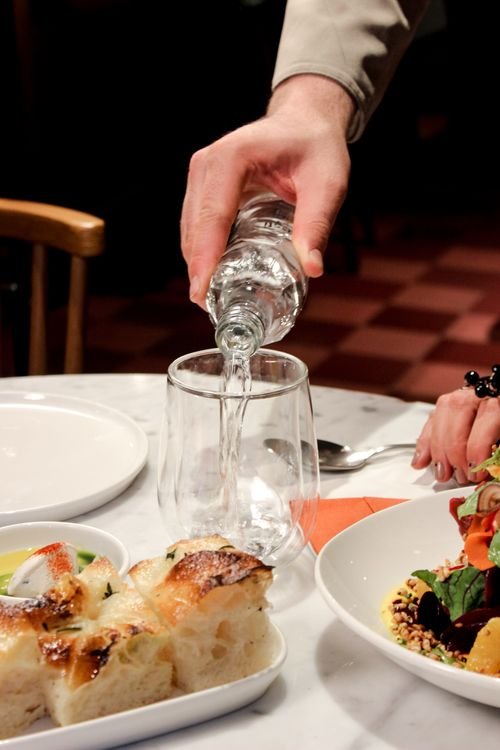
No new diet. No banned foods, no calorie counting, no rules about what went on the plate. For 21 days, I simply drank one glass of water — a normal, full glass — about 15 to 30 minutes before every meal, and watched what happened at the table.
I was curious because the claim attached to this habit is always suspiciously large. Depending on who is selling it, a glass of water before meals will supposedly shrink your appetite, transform your skin, and melt away weight. I believed approximately none of that. But the habit costs nothing and takes thirty seconds, so I wanted to know what it actually does — for a real person, eating real meals.
How the Experiment Worked
Breakfast, lunch, and dinner each got the same treatment: a glass of water, finished somewhere between 15 and 30 minutes before eating. The timing mattered to me — drinking it with the food felt like cheating, because I wanted to arrive at the meal already a little less ravenous and see whether that changed anything.
I kept no food rules at all, but I did keep rough notes after meals: how full I felt, whether I went back for seconds, and whether I snacked later. I had learned the value of writing things down during I kept a food diary for 14 days — memory happily edits experiments afterwards, but notes do not.
One honesty note before the results: I have played with water habits before. When I drank lemon water every morning for 14 days, the main lesson was that I had simply been under-drinking water in general. I suspected some of this experiment’s effects would turn out to be the same story in a different glass.
Week 1: Fullness Arrived Earlier
The first real change showed up by day three, and it was subtle but consistent: I started feeling full sooner during meals.
Not stuffed, and not put off my food — I still enjoyed everything. But the point where I thought “that was enough” arrived a few bites earlier than usual, especially at lunch. Seconds, which I normally take on autopilot, required an actual decision, and about half the time the decision was no.
I think two things were happening. The obvious one is physical: a stomach with a glass of water already in it has less room and sends fullness signals sooner. The quieter one was mental. The glass of water acted like a small pause before eating — a moment that turned meals from something I fell into, half-distracted, into something I started on purpose. Eating a little more slowly and attentively followed naturally from that pause.
Breakfast deserves a special mention, because it behaved differently from the other meals. In the morning I am rarely truly hungry — I eat because it is time to eat — so the glass of water made the least difference there, and on a few rushed days it actually made breakfast feel like a chore I was pushing through. Lunch was where the habit shone: I usually arrive at lunch properly hungry, sometimes too hungry, and those were exactly the meals where arriving calmer changed my pace, my portion, and how comfortable I felt afterwards. Dinner sat somewhere in between, helping most on the evenings when I had snacked least during the day.
Week 2: Snacking and the Afternoon Slump
Week two brought the change I valued most, and it happened away from the table. My afternoon snacking dropped — not to zero, but noticeably. I suspect part of my usual 4 PM restlessness had been thirst wearing a snack costume all along, because on the days I kept the pre-meal glasses up, the urge to go hunting in the kitchen was quieter.
The famous afternoon slump softened a little too. I will keep this modest, because it deserves modesty: I did not gain superhuman energy, and bad nights of sleep still flattened me regardless of water. But my average afternoon felt slightly clearer, which fits with simply being better hydrated across the whole day. Three extra glasses of water daily, timed around meals, raised my total intake without me ever having to carry a bottle around like a job.
Skin? People always ask. My honest answer is: maybe a touch less dry by week two, maybe wishful thinking. Skin responds to many things, and three weeks is short. I am reporting it because I noticed it, not because I would promise it to anyone else.
Week 3: The Habit Got Ordinary — and the Friction Showed
By week three, the glass before meals felt automatic at home and genuinely annoying everywhere else. Restaurants were the main friction: you sit down, menus arrive, everyone orders, and my neat 15-to-30-minute window mostly evaporated. I did my best — water while we ordered, food a little later — but restaurant meals were the least consistent part of the whole experiment.
Forgetting was the second friction. Breakfast in a rush meant the glass often happened five minutes before eating instead of twenty. And the third friction is the one nobody advertises: what goes in comes out. Three extra glasses a day meant extra bathroom trips, including one ill-timed one on a long drive that I still think about. Timing your pre-dinner glass before a journey is wisdom I earned the hard way.
Compared with I ate dinner before 7 PM for 21 days, which reorganised my whole evening, this habit asked almost nothing of my schedule — and delivered proportionally smaller, quieter results. That trade felt fair.
My Honest Verdict
Here is what the glass of water did: it nudged my fullness signals earlier, trimmed some mindless seconds and snacking, and quietly fixed my overall hydration as a side effect. Here is what it did not do: it did not transform my body, suppress a genuine appetite, or replace a single sensible eating habit. My weight barely moved across the three weeks, and I am glad to say so plainly, because this habit is too often sold as a weight-loss trick. It is not one. It is, at most, a small nudge that makes other good decisions slightly easier.
A safety note that matters more than my results: more water is not always better. People with kidney or heart conditions, and anyone told to watch their fluid intake, should follow their doctor’s guidance on fluids rather than a blog experiment — and even for the rest of us, forcing down excessive water is a bad idea. A glass before meals is gentle; gallons are not a goal.
Am I keeping it? Yes, in its loose, human form: a glass of water while I cook or before I sit down, most meals, most days. Not because it is powerful — because it is easy, costs nothing, and the pause before eating turned out to be worth more than the water itself.